Bob: the hosted document & search dashboard
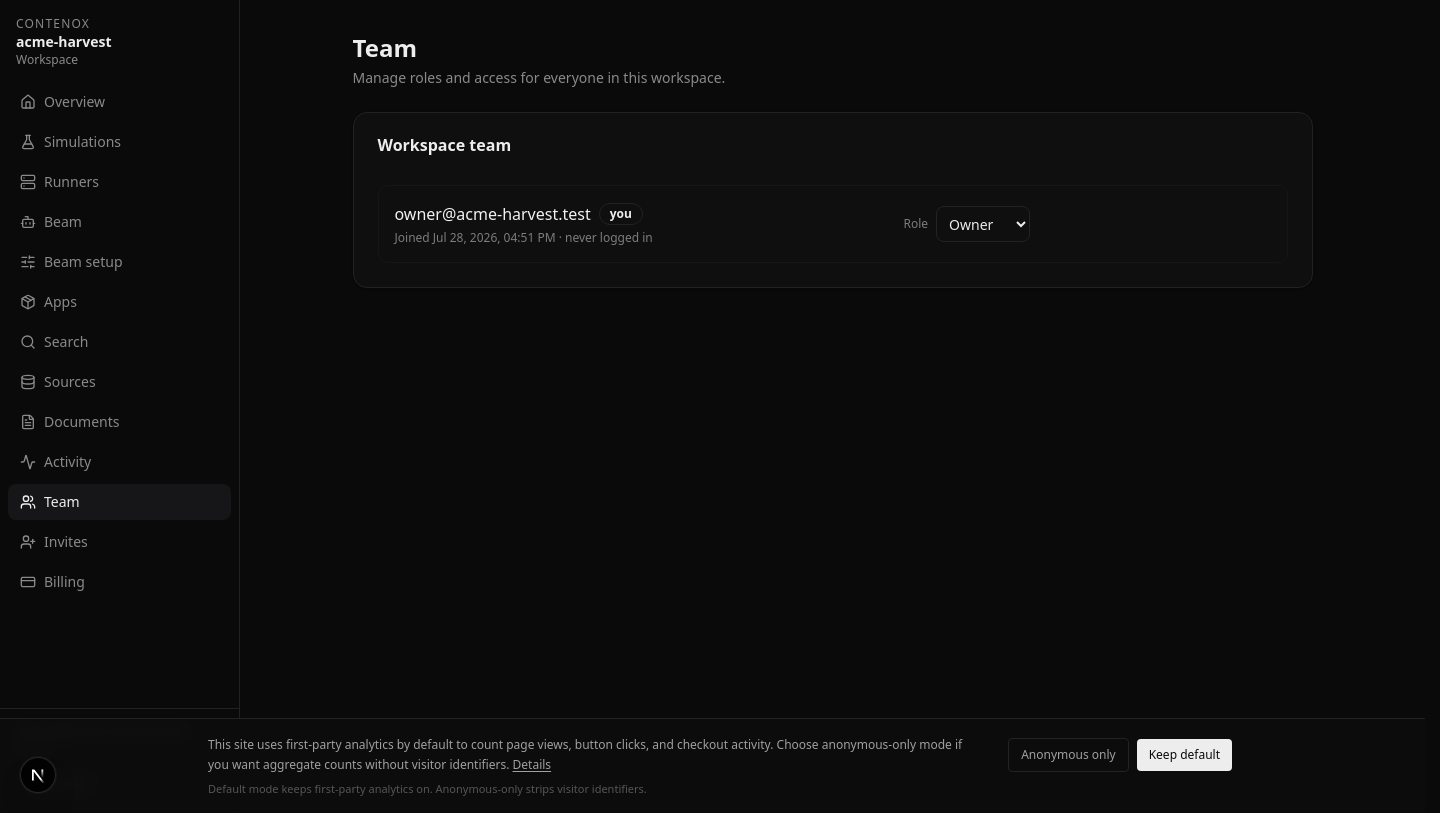
Bob was Contenox’s hosted, multi-tenant sibling to the local runtime: a workspace a team signed up for, invited members into with owner/admin/member roles, and pointed at its own connected sources. Two cooperating pieces did the work — a dashboard the browser talked to, and a Go backend holding auth, workspace state, and the connector control plane behind it. End users rode a cookie-based session; the dashboard reached the backend over a short-lived signed service token, so the browser itself never touched the backend directly.
Any properly published connector image became an available source type the moment it landed in the registry — no platform code change required. A workspace picked a source, supplied its credentials (encrypted at rest, wrapped per workspace), and Bob reconciled a connector runtime into a worker pool, synced its documents on a schedule, and made them searchable: chunked, embedded with a real local embedding model, and retrievable by meaning rather than keyword — a paraphrased query in one domain reliably found its matching document among several unrelated ones. A hosted-apps catalog let a workspace deploy self-contained OSS software into its own tenant with the same one-form, install, done shape as every other Bob-managed resource, and a chat workbench let a team ask questions over everything it had connected.
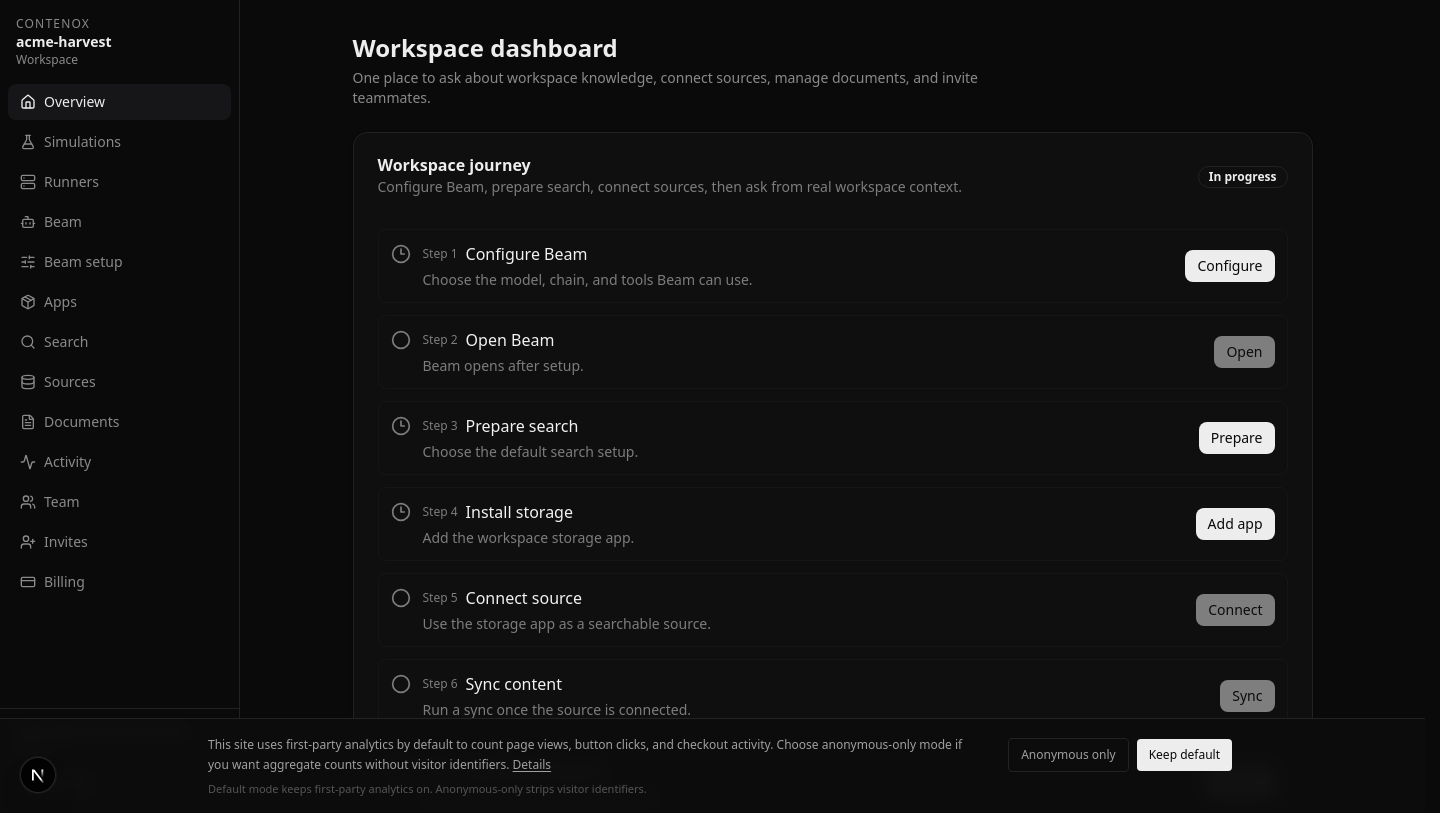
Sources were registry-discovered: any properly published connector image showed up as an available type, ready to configure.
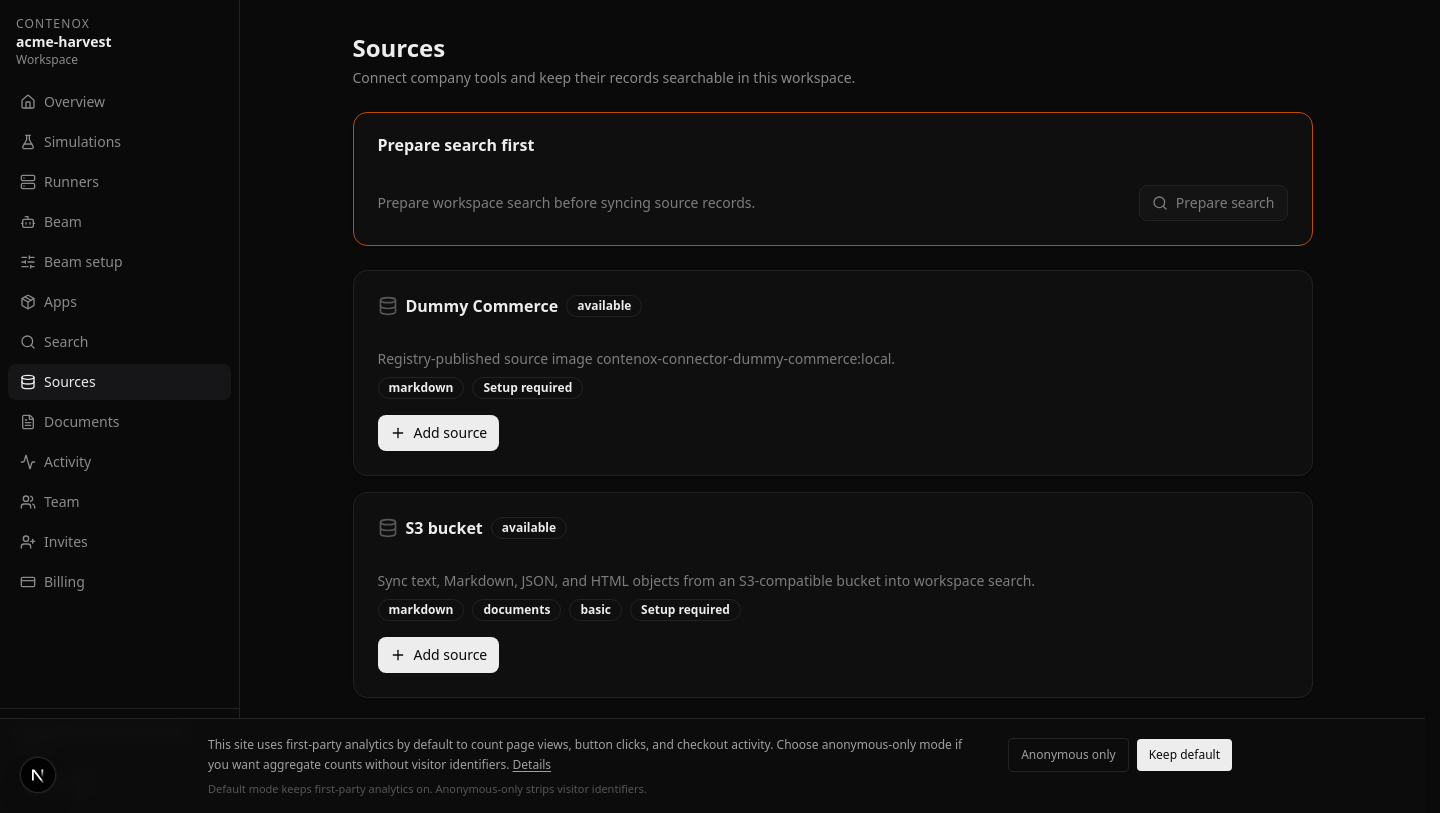
Once a source had synced, its documents landed in the workspace as a browsable set — the same corpus the index was built over.
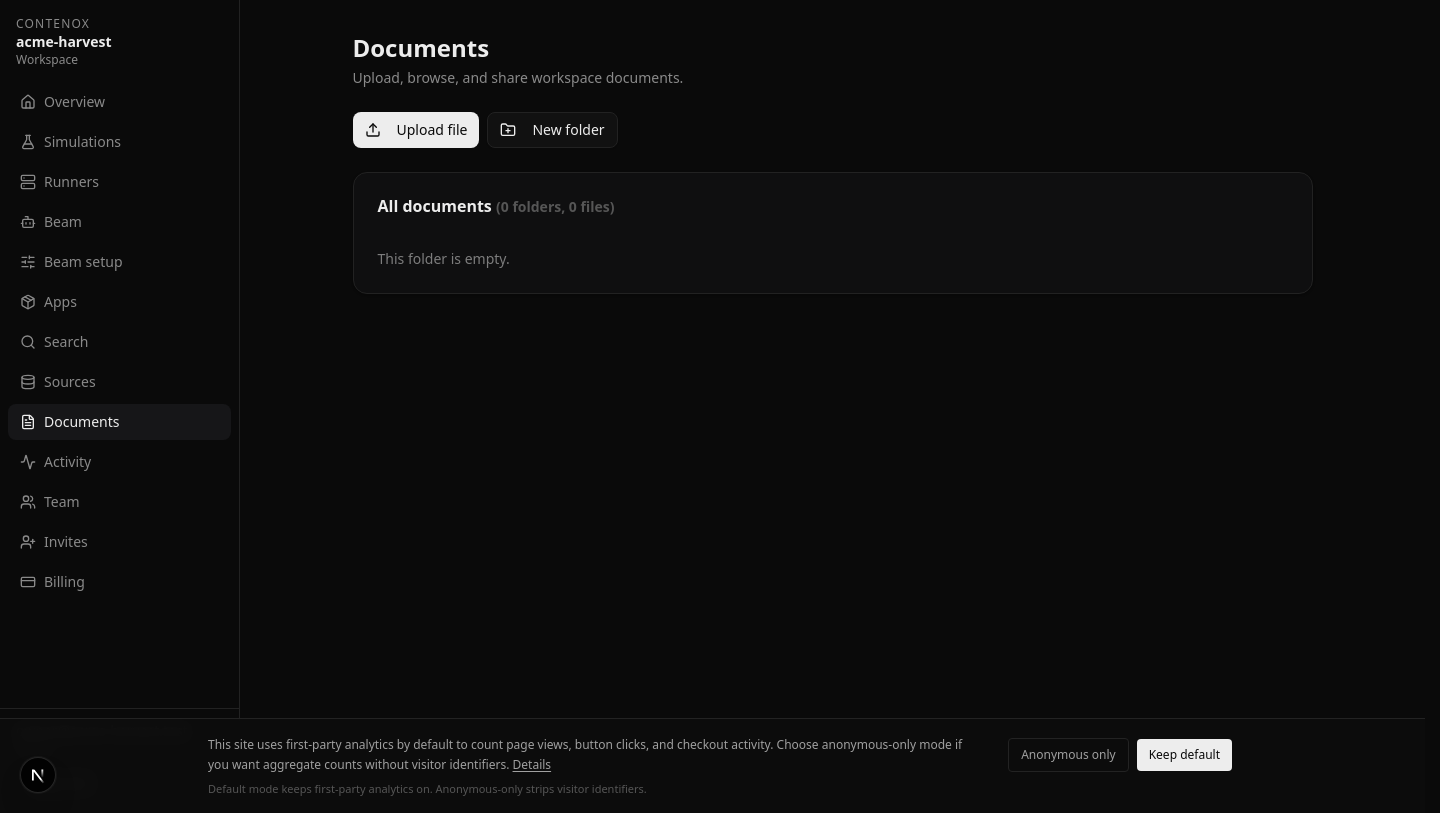
Search was a one-time per-workspace setup that picked an embedding model and built the index.
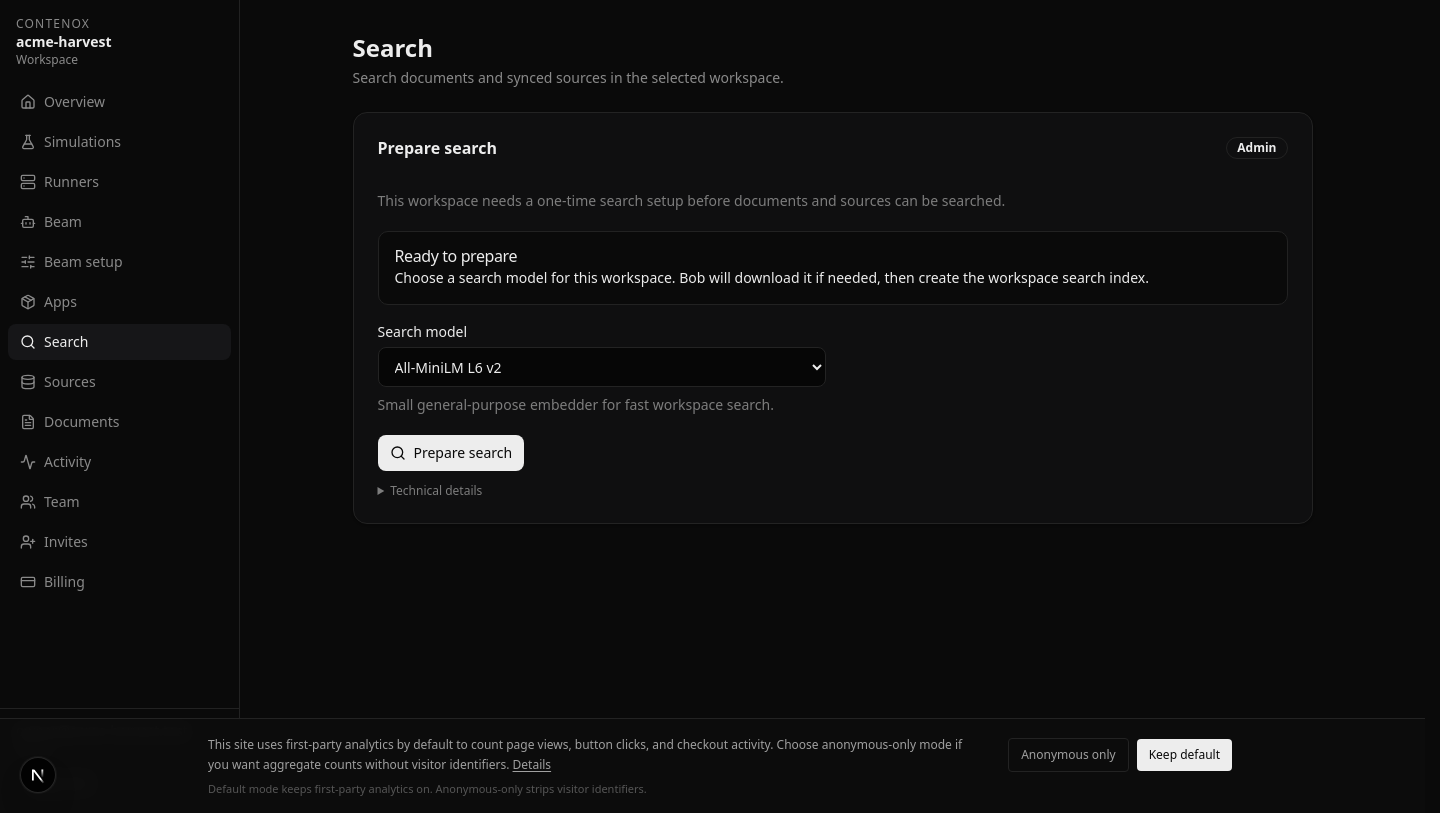
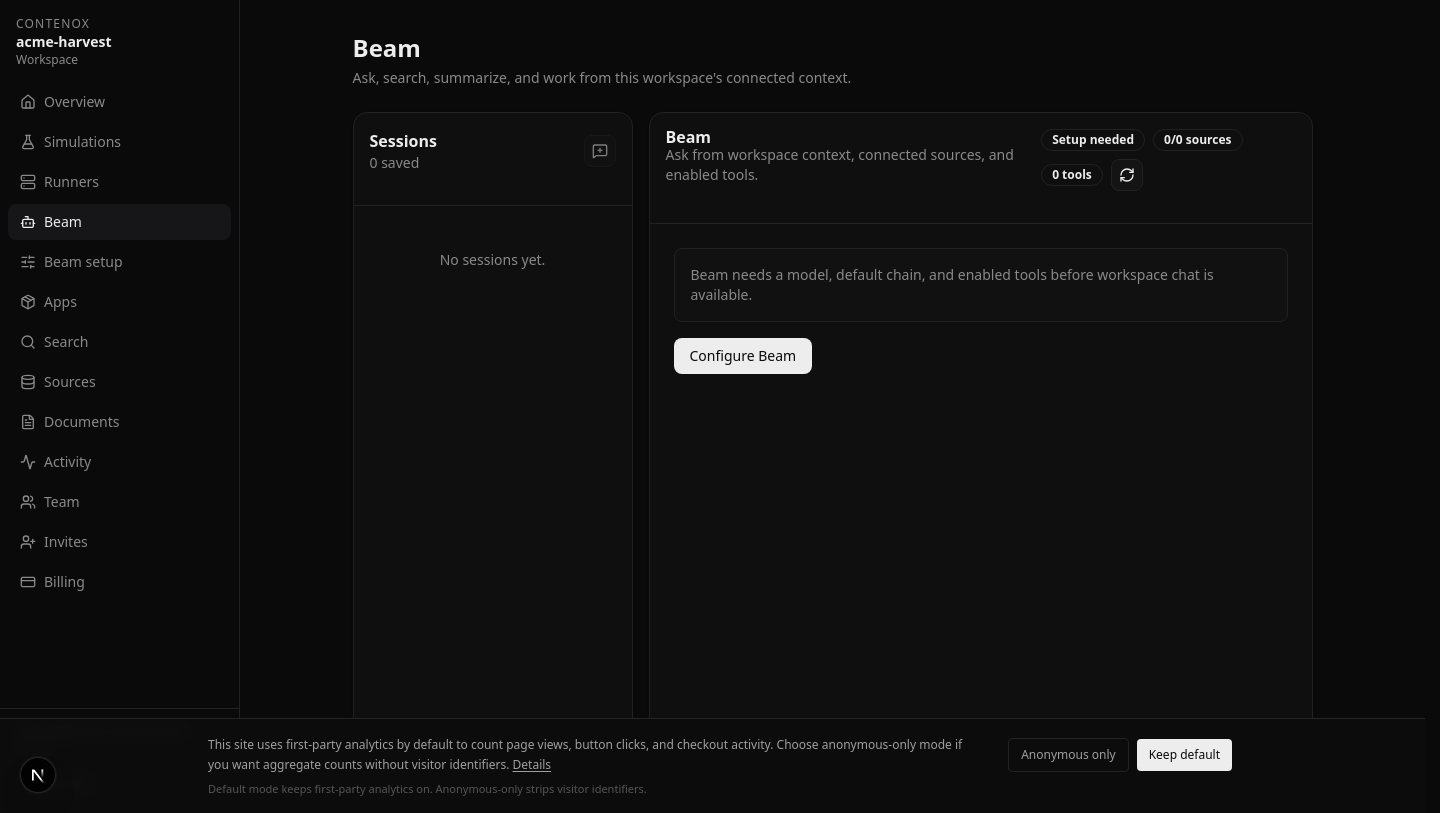
The chat workbench sat on top of everything a workspace had connected.
Membership was first-class: a workspace invited people by email and gave each one a role.
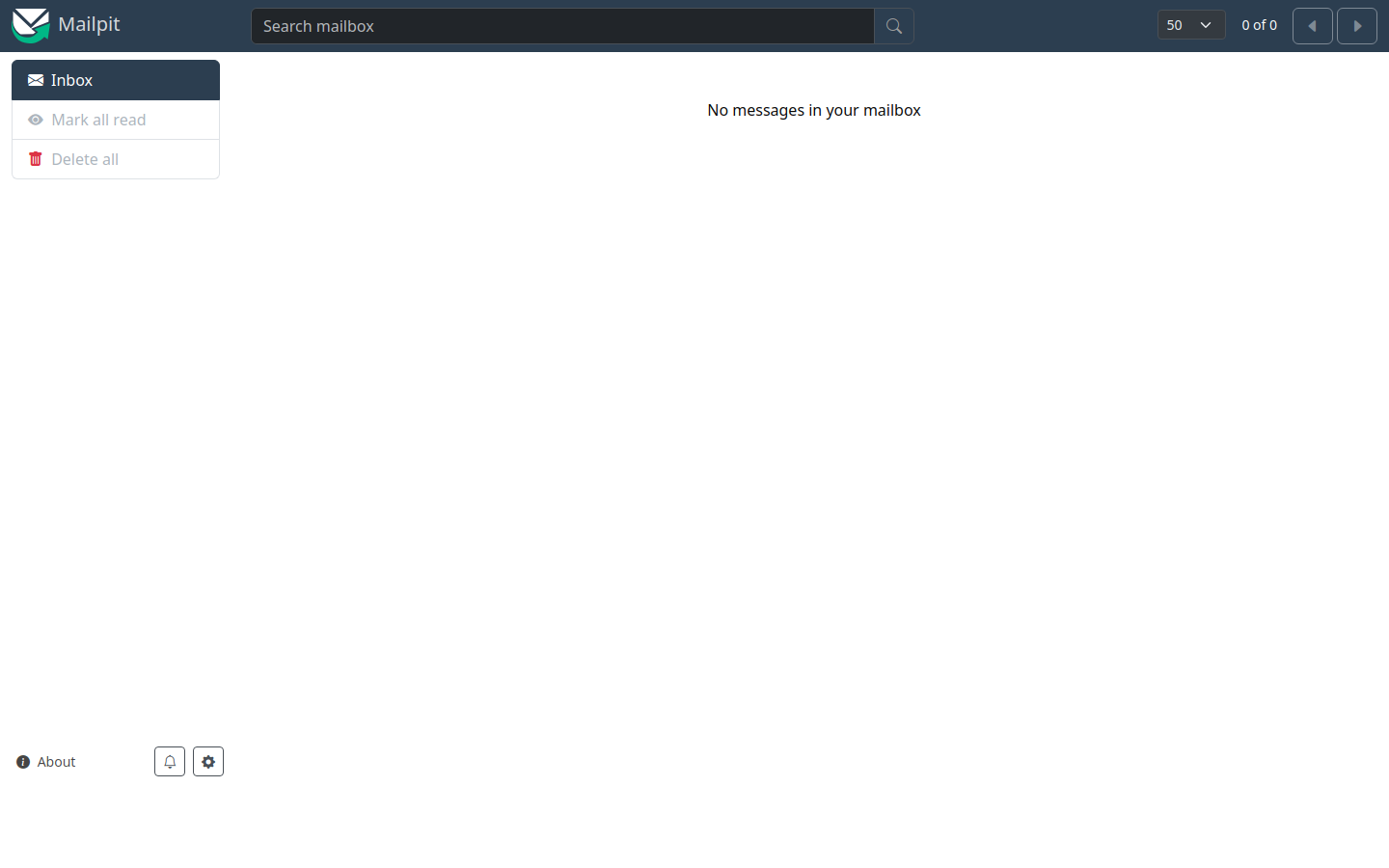
Invites went out as real mail — caught here by the development mail server the local stack ran against.
The hosted-apps catalog was not a facade: picking an app provisioned it into the tenant and handed back a running console you could sign into.
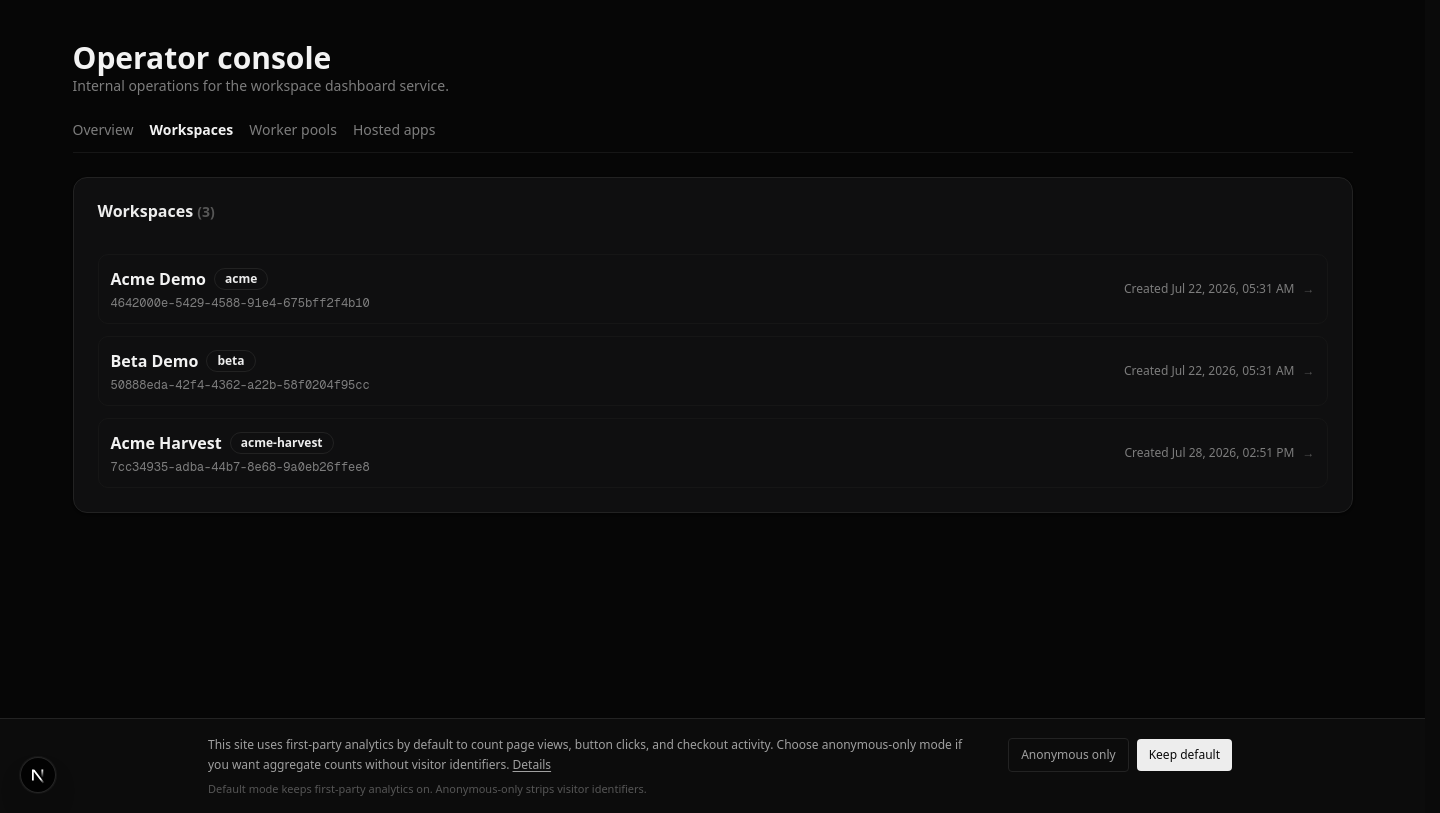
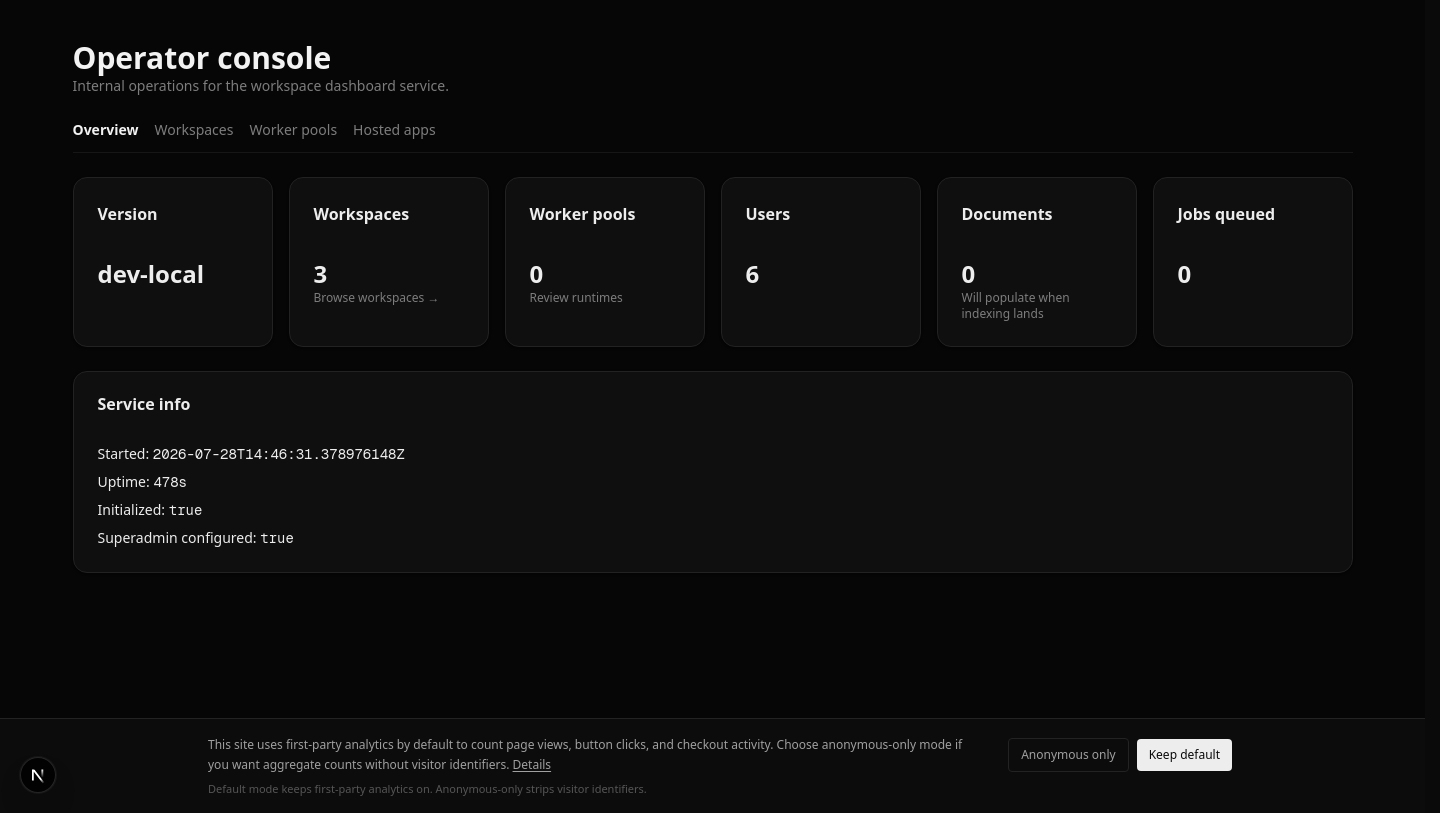
Behind the tenant-facing product, an operator console tracked the workspaces, their worker pools, and the hosted-app catalog.
What it proved
- A single small Go service can carry a real multi-tenant SaaS — auth, invites, roles, and workspace-scoped everything — on one Postgres, with no framework beyond what the runtime’s own API layer already gave it.
- A connector is just a labeled container image. Publishing a new source type was a registry push, not a platform release — the catalog grew without touching Bob’s own code.
- Semantic search backed by a real embedding model held up under an honest test: paraphrased queries across unrelated domains still found the right document by meaning, not word overlap.
- A hosted-apps catalog proved arbitrary OSS software can become a one-click, per-tenant feature, provisioned the exact same way as everything else on the platform.