The HTTP API layer and OpenAPI generator
Contenox ran on a shared HTTP layer, apiframework: authentication, CORS, a structured error envelope, request IDs, and the query/path parameter helpers every route package built on. On top of it sat a from-scratch OpenAPI 3.1 generator that read the route registrations and inline @request / @response / @param annotations directly out of the Go source and turned them into openapi.json — embedded into the binary and served live at /api/openapi.json, with a bundled RapiDoc viewer at /api/docs.
The generator was strict by design, not best-effort. A coverage gate rejected any documented operation missing a @response annotation, or any non-GET/DELETE operation missing @request — with explicit none/binary/sse/redirect forms as the only escape hatches, each requiring its own stated reason. A freshness test regenerated the spec from the working tree on every go test ./... run and byte-compared it against the committed file, so a route could never silently drift out of sync with its documented contract. Generation was fully deterministic — the same tree always produced identical output — and a full apitests/ pytest suite exercised the compiled routes against that same described contract: backends, missions, chains, tools, HITL policies, MCP servers, model registry, and health, end to end.
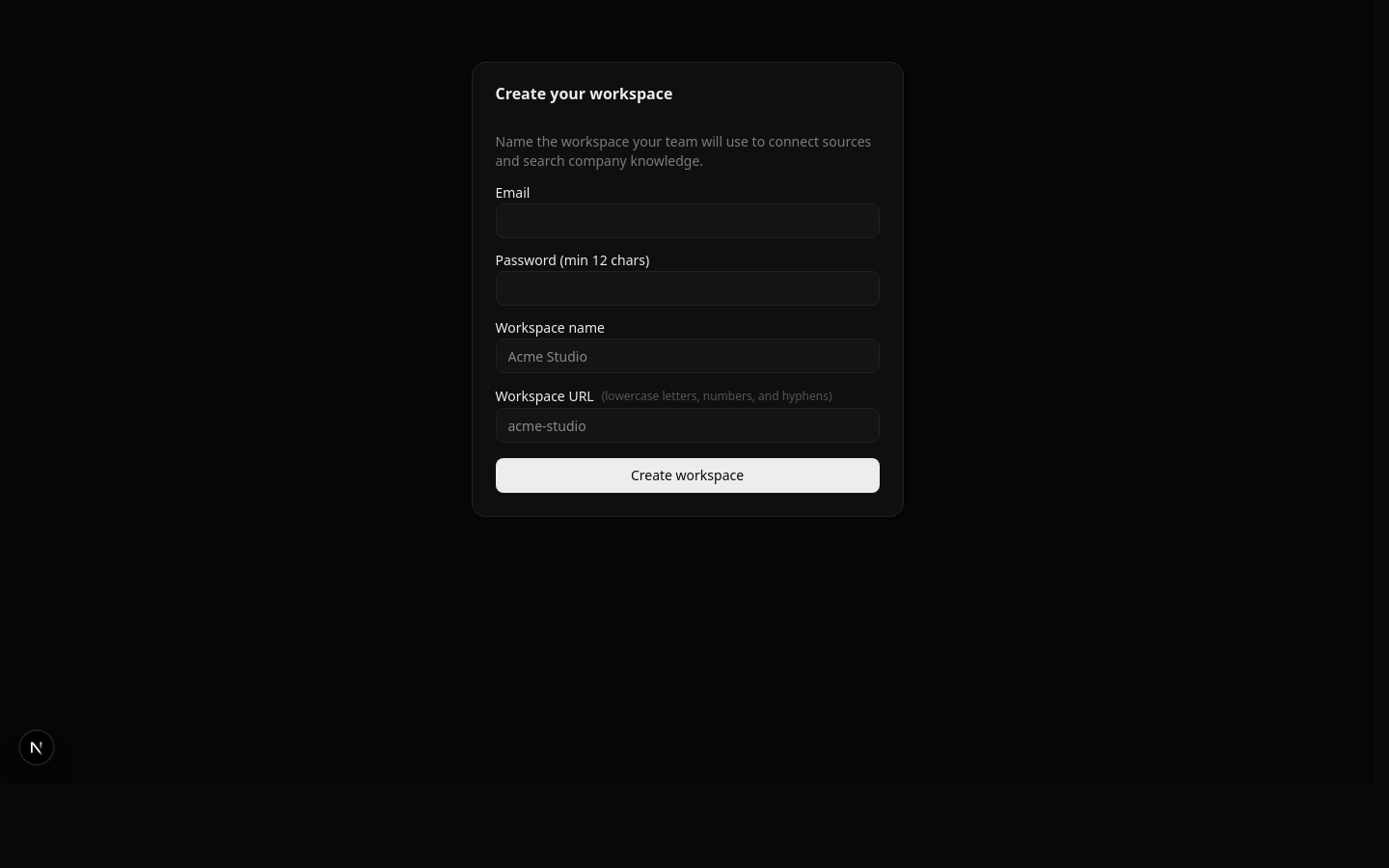
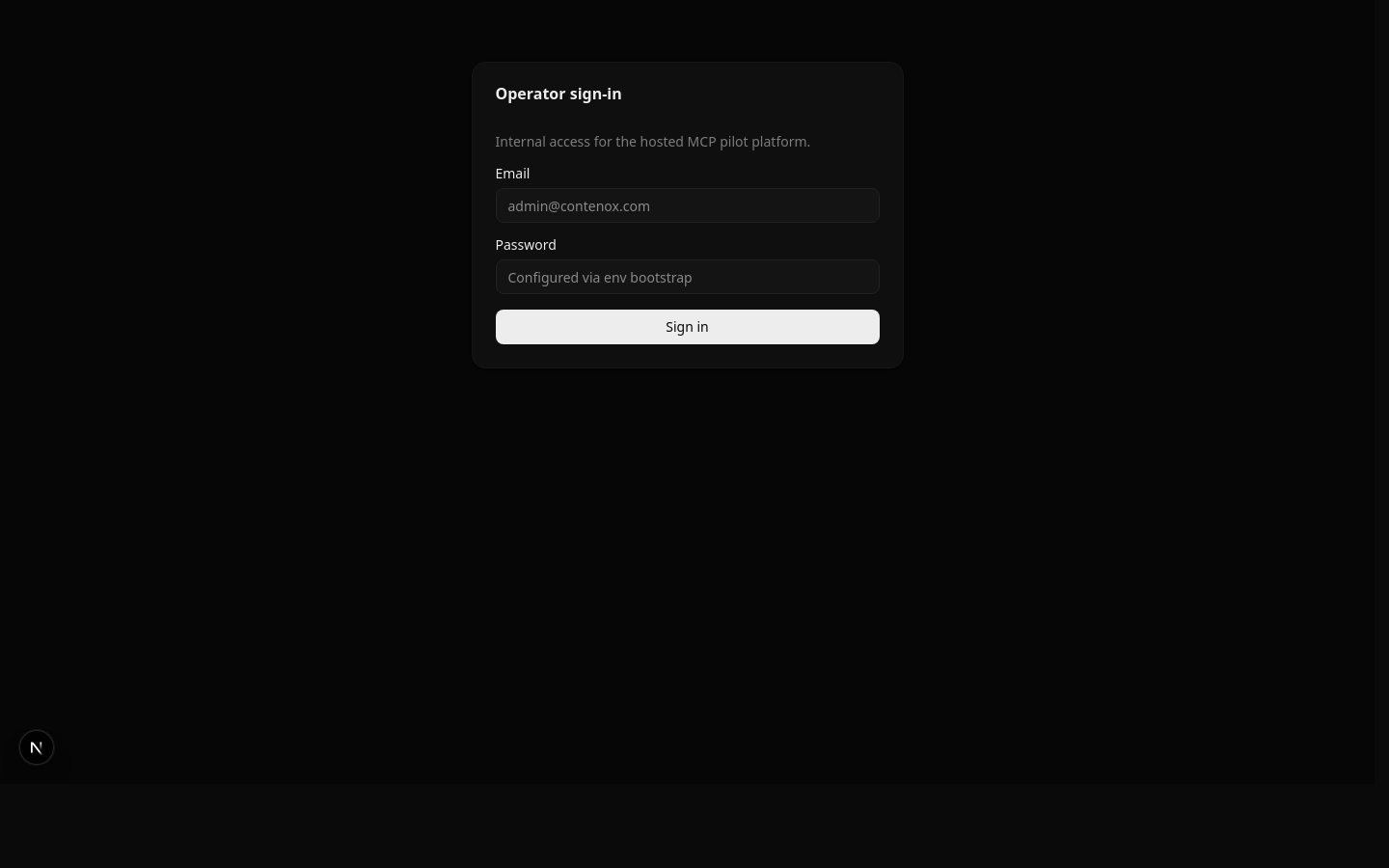
The platform that rode this API layer shipped a full account surface — workspace signup, member sign-in, and a separate operator entrance — all served by the same typed contracts.
What it proved
- A spec generated straight from source annotations can be both fully automatic and byte-deterministic — no hand-maintained YAML drifting away from the code it describes.
- Coverage and freshness gates make spec drift a CI failure, not an eternal chore. Every route stayed honestly documented because the build refused to pass otherwise.
- Typed request/response contracts, declared once at the handler, are worth enforcing structurally — not just documenting and hoping.
Where this lives now
The same typed, declared-once discipline lives on in the chain engine’s task contracts — every handler’s fields are still validated and documented from one source of truth, just Go-native instead of HTTP-native.